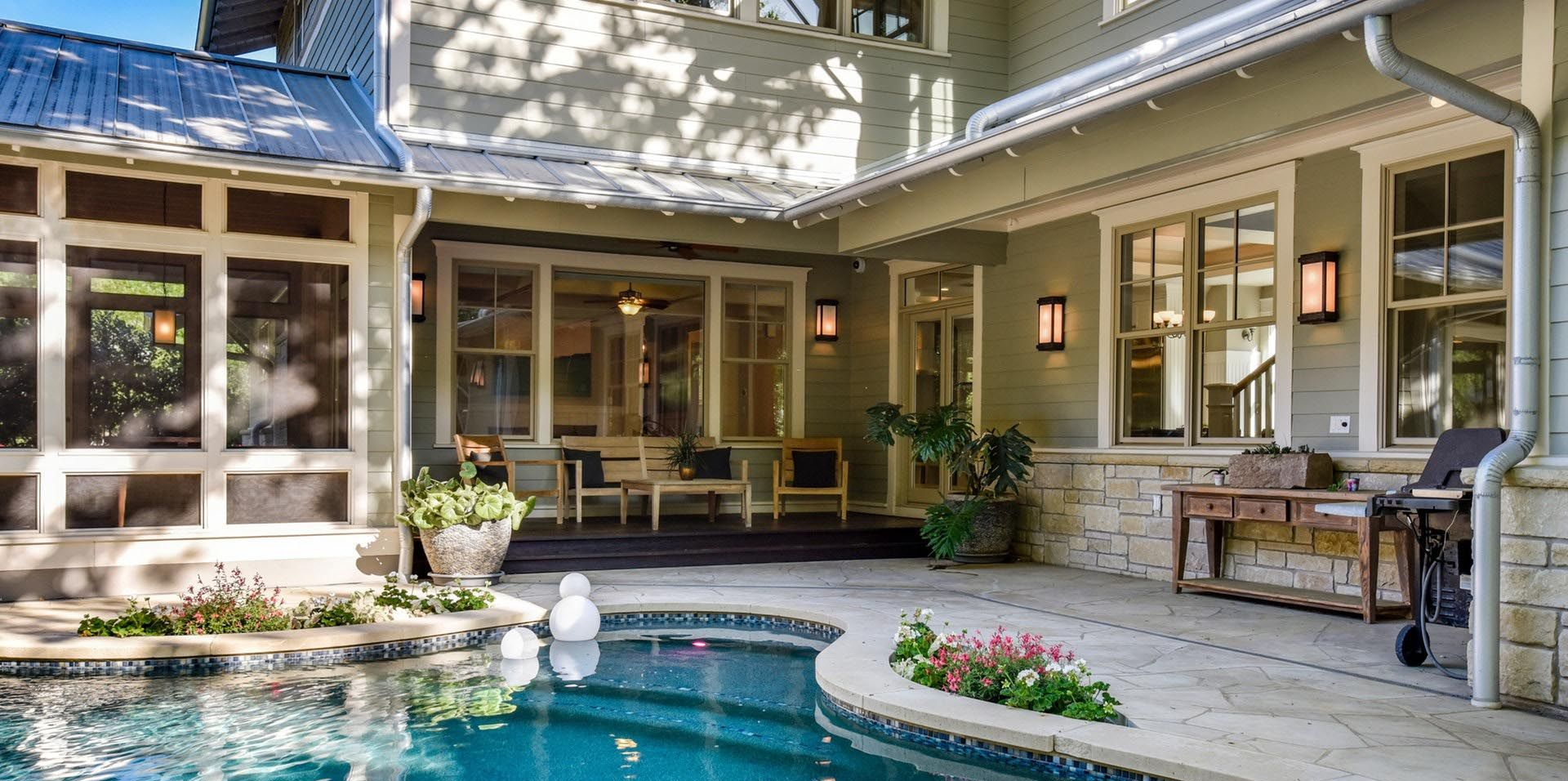
Integrating Building Science with Sophisticated Design in Georgetown, TX
Integrating building science with sophisticated design ensures that homes in Georgetown, TX deliver exceptional performance without sacrificing aesthetic quality or spatial character. This approach treats energy efficiency, comfort, and beauty as inseparable goals achieved through careful planning and technical expertise.
How Do You Define Building Science in Residential Design?
Building science in residential design applies principles of heat transfer, moisture management, and air movement to create homes that perform reliably and efficiently.
At Barley|Pfeiffer Architecture, building science informs every decision, from the orientation of the home on the site to the selection of insulation materials and HVAC equipment. The team uses energy modeling software to predict how different design choices will affect heating and cooling loads, allowing for optimization before construction begins. This data-driven approach identifies opportunities to reduce energy use through passive strategies such as shading, natural ventilation, and thermal mass, minimizing reliance on mechanical systems.
Building science also addresses moisture control, a critical concern in Georgetown's humid climate. Proper flashing details, vapor barriers, and drainage planes prevent water intrusion that can lead to mold, rot, and structural damage. By integrating these technical considerations into the architectural design, the team ensures that the home remains durable and healthy over decades of use, protecting both your investment and your family's well-being.
What Role Does Aesthetics Play in High-Performance Homes?
Aesthetics play a central role in high-performance homes by shaping how occupants experience and interact with spaces designed for comfort and efficiency.
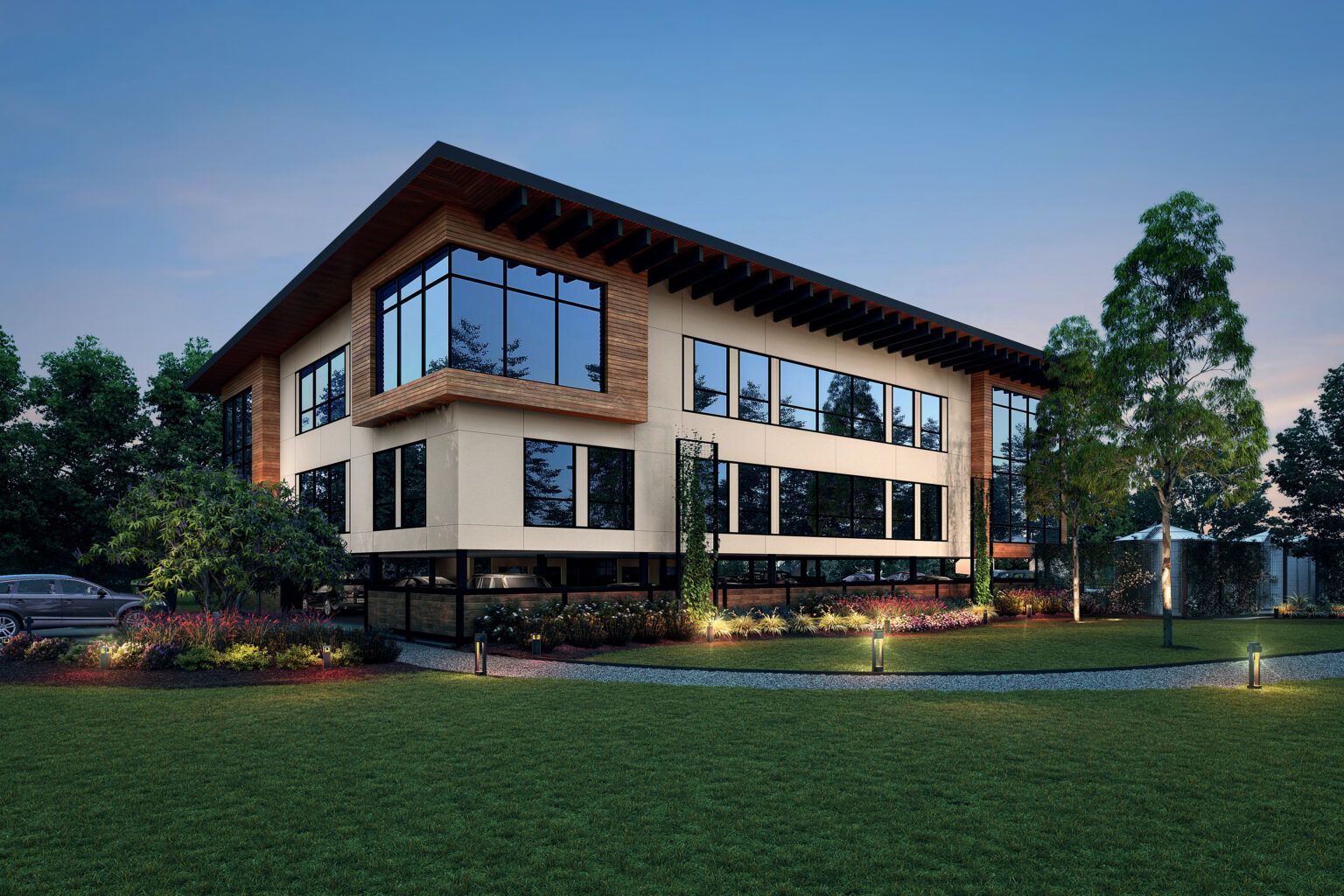
Barley|Pfeiffer Architecture believes that beauty and performance are not competing priorities but complementary aspects of thoughtful design. High-performance features such as triple-pane windows, continuous insulation, and advanced framing are selected not only for their technical benefits but also for how they contribute to the home's visual language. Clean lines, natural materials, and carefully proportioned spaces create an environment that feels both contemporary and timeless, reflecting your personal style while meeting rigorous energy standards.
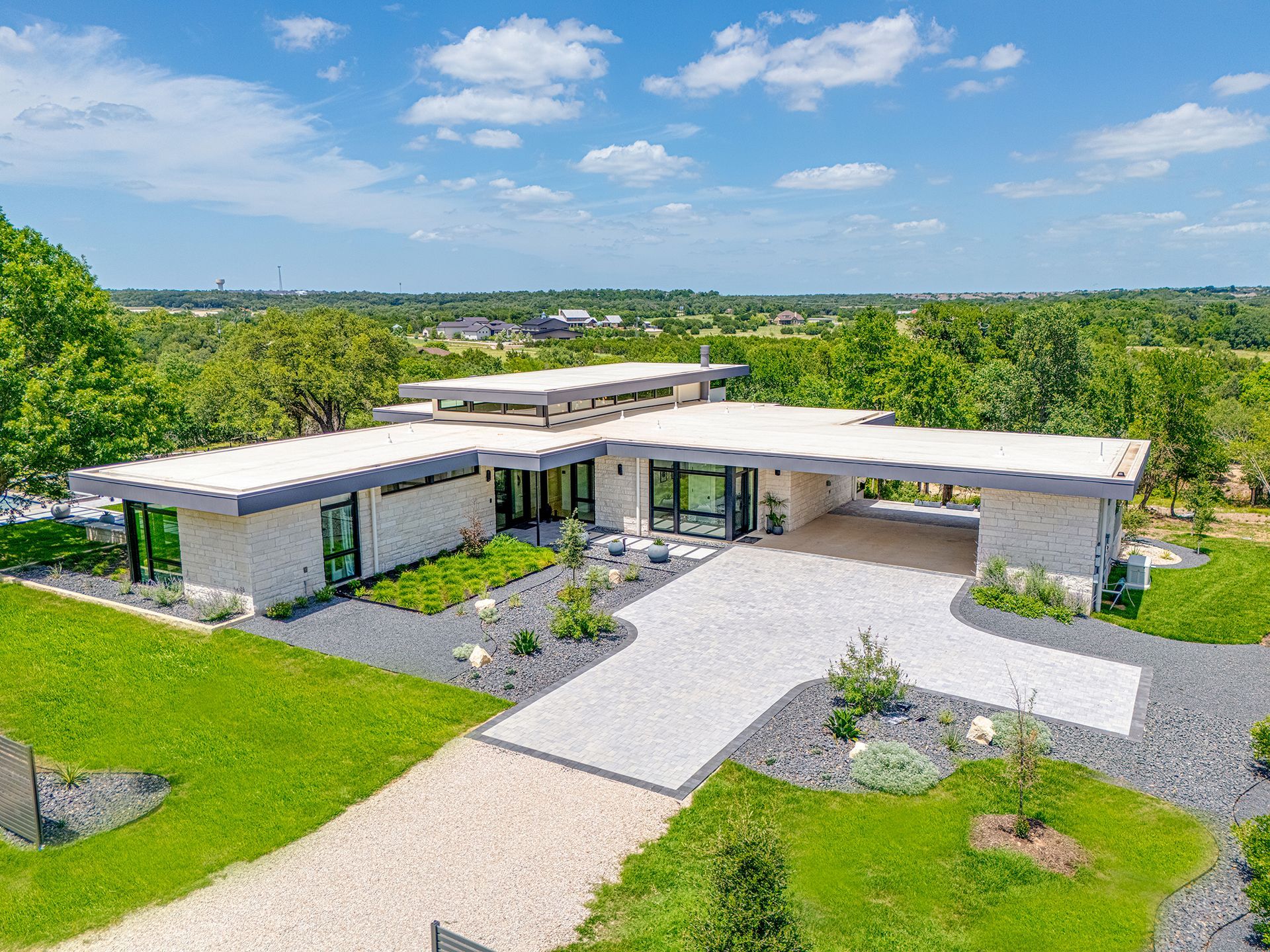
The integration of building science also enhances aesthetic outcomes. For example, eliminating thermal bridging allows for larger expanses of glass without compromising comfort, opening up views and connecting interior spaces to the landscape. Efficient mechanical systems free up floor area that would otherwise be occupied by oversized equipment, providing more flexibility in layout and design. These synergies demonstrate that when building science is embedded from the start, it elevates rather than constrains the architectural vision.
Which Strategies Enhance Comfort in Georgetown's Climate?
Strategies that enhance comfort in Georgetown's climate include passive cooling, high-performance envelopes, and right-sized mechanical systems tailored to local conditions.
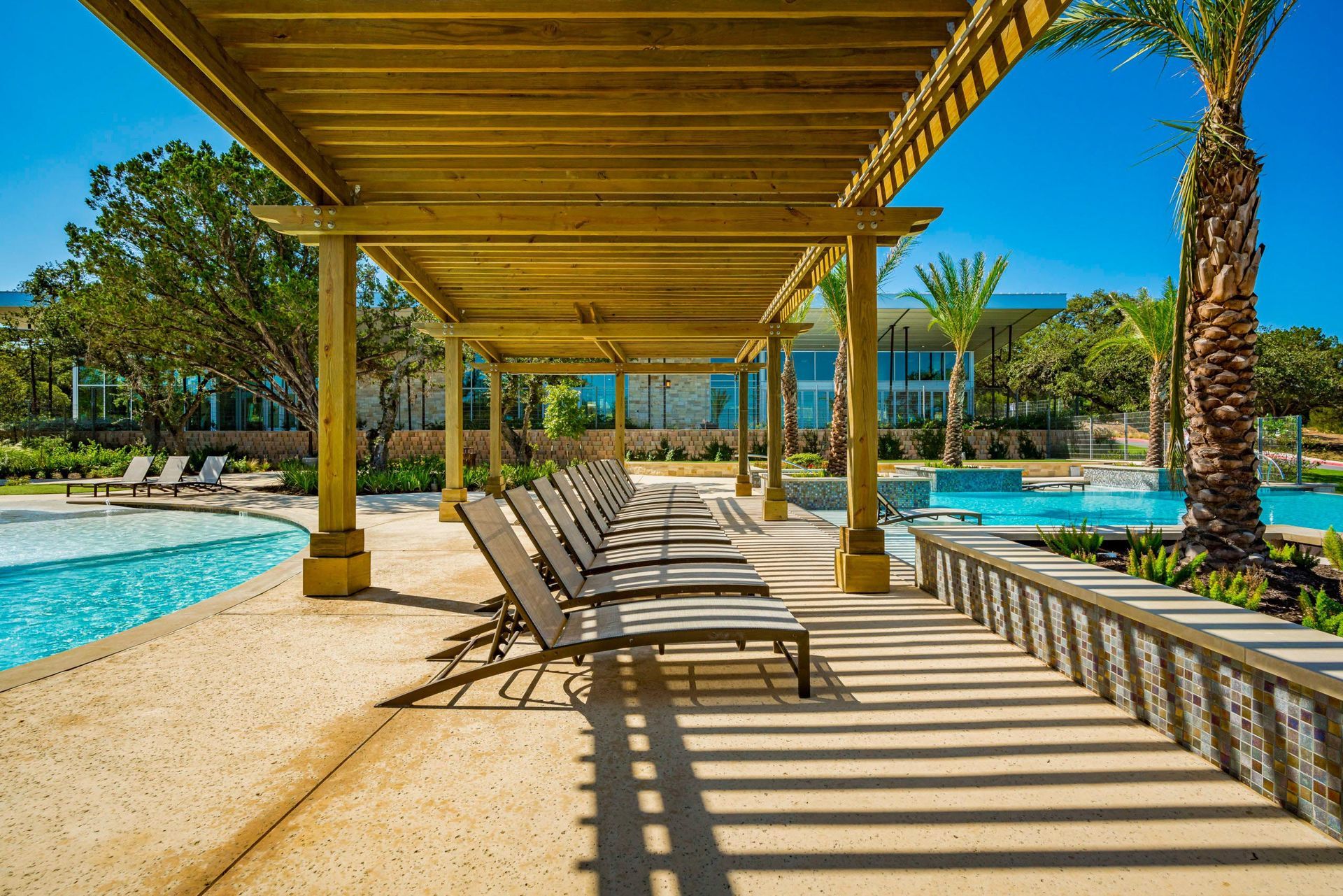
Georgetown's long cooling season and intense summer sun require homes to manage solar heat gain effectively. Barley|Pfeiffer Architecture uses deep overhangs, light-colored roofing, and strategically placed windows to reduce unwanted heat while maximizing natural light. Cross-ventilation is designed into floor plans, allowing breezes to flow through the home and reduce the need for air conditioning during milder months. High-performance insulation and air sealing keep conditioned air inside, reducing temperature swings and improving overall comfort.
Mechanical systems are right-sized based on detailed load calculations, ensuring they operate efficiently without short-cycling or wasting energy. Advanced filtration and ventilation systems maintain indoor air quality by removing pollutants and controlling humidity, creating a healthier living environment. These strategies work together to deliver consistent comfort year-round, regardless of outdoor conditions.
Do Local Building Codes Support High-Performance Design?
Local building codes in Georgetown increasingly support high-performance design by adopting energy efficiency standards that align with sustainable construction practices.
While code-minimum construction provides a baseline, Barley|Pfeiffer Architecture designs homes that exceed these requirements, delivering greater comfort, lower operating costs, and higher resale value. The comprehensive design workflow anticipates future code changes and incorporates best practices that may become mandatory in coming years, future-proofing your investment. This proactive approach also simplifies permitting and inspections, as the design team is familiar with local requirements and maintains strong relationships with building officials.
By integrating building science with sophisticated design from day one, you gain a home that is as enduring as it is beautiful, with every detail contributing to performance, comfort, and aesthetic excellence.
Start your journey toward a superior high-performance reality by connecting with our Austin studio at , and explore residential architecture services in Georgetown that bridge ambitious creative vision with the rigors of building science.
Plan your next project with confidence, knowing that Barley|Pfeiffer Architecture's proprietary design steps navigate the complexities of the building process to deliver a space that exceeds expectations in both form and function, and learn about energy-efficient building strategies in Georgetown tailored to your site and lifestyle.