Understanding the Art of Living Well Through Thoughtful Architecture in Austin, Texas
October 7, 2026
Understanding the Art of Living Well Through Thoughtful Architecture in Austin, TX
The art of living well begins with spaces designed to support your daily routines, personal values, and long-term comfort. In Austin, TX, thoughtful architecture integrates refined aesthetics with performance-driven planning to create homes that feel both inspiring and effortlessly functional.
What Makes Architecture Thoughtful?
Thoughtful architecture anticipates how you will use each space, aligning design decisions with your lifestyle expectations and the building's environmental context.
At Barley|Pfeiffer Architecture, this means listening carefully during early consultations to understand how you move through your day, where you gather with family, and which activities matter most. The design process then translates these insights into floor plans, material selections, and spatial sequences that feel intuitive rather than imposed. For example, a home office might be positioned to capture morning light while remaining acoustically separate from living areas, or a kitchen layout might prioritize sightlines to outdoor play spaces.
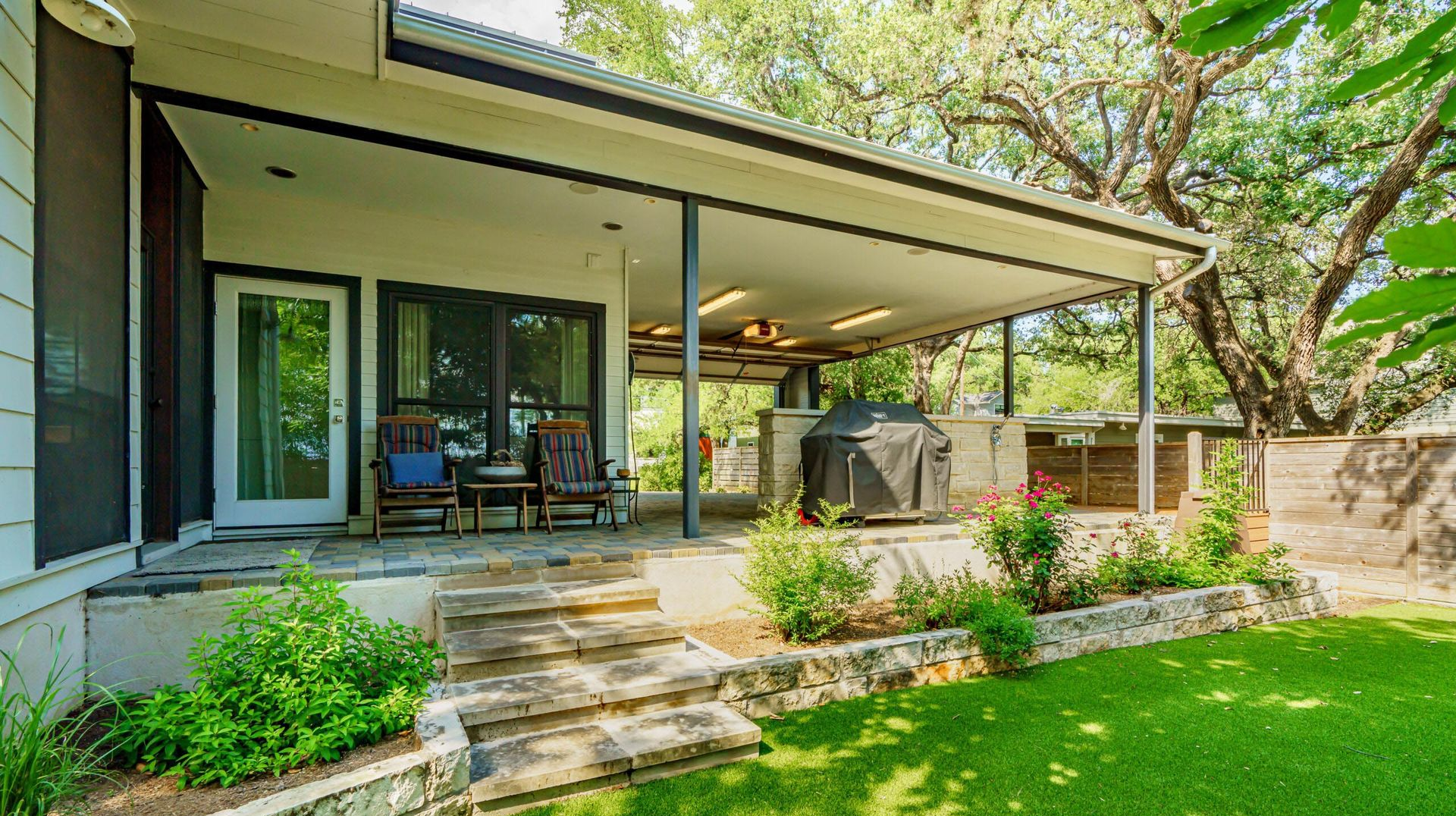
Thoughtful architecture also respects the site's natural features. In Austin, where rolling terrain and mature trees define many properties, the design team works to preserve existing vegetation and orient the home to take advantage of prevailing breezes. This approach reduces the need for mechanical cooling and creates a stronger connection between indoor and outdoor spaces, enhancing both comfort and the sense of place.
How Does Design Influence Daily Comfort?
Design influences daily comfort by controlling light, temperature, acoustics, and spatial flow in ways that reduce stress and support well-being.
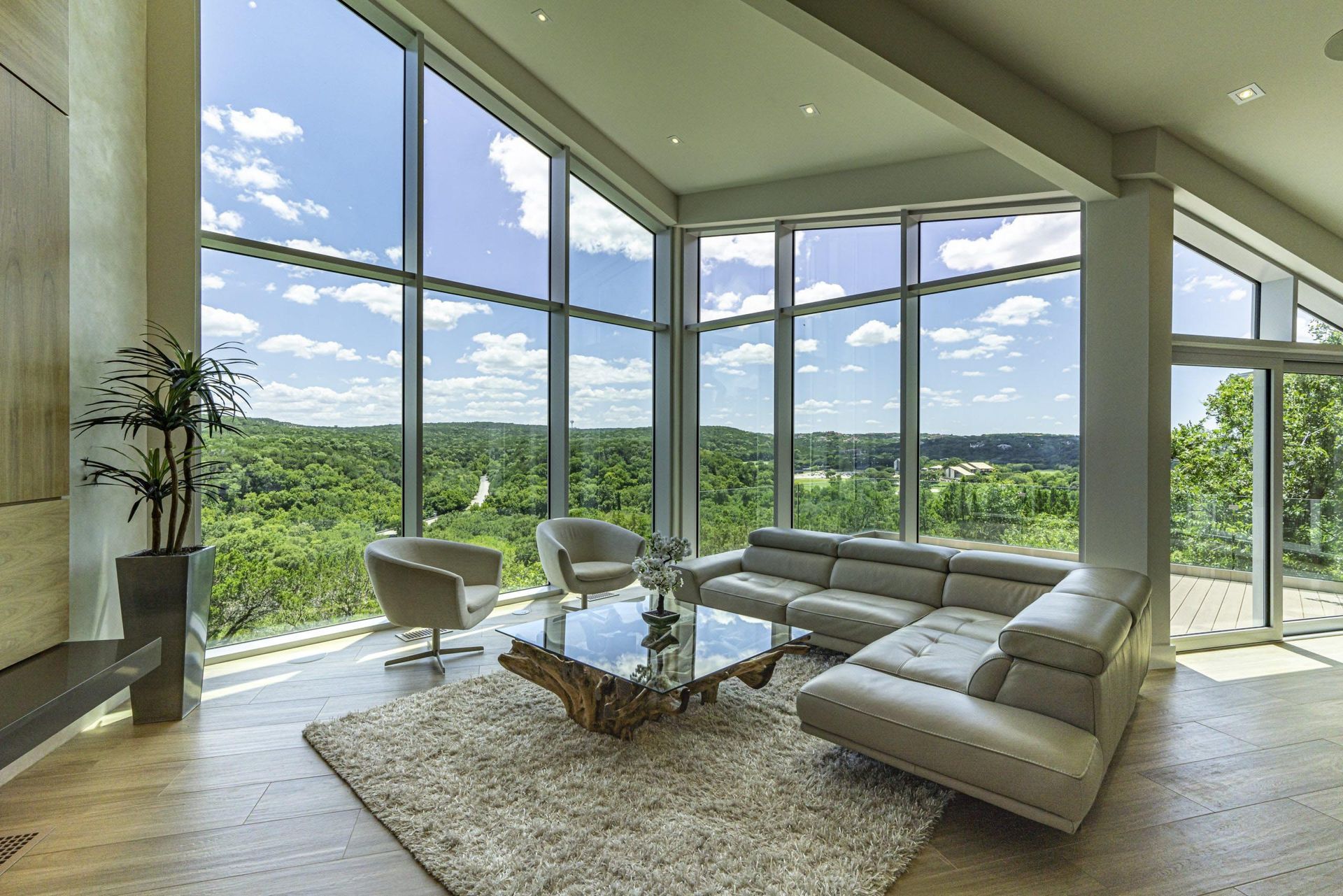
Homes designed with the art of living well in mind incorporate natural daylighting strategies that minimize glare while providing ample illumination for tasks and relaxation. Properly sized windows, light shelves, and interior finishes work together to distribute daylight evenly, reducing reliance on artificial lighting and creating a more pleasant atmosphere. Thermal comfort is equally important: high-performance insulation, air sealing, and climate-responsive HVAC systems maintain consistent temperatures without drafts or hot spots.
Acoustic design also plays a role. Thoughtful material choices and room layouts buffer noise from busy streets or adjacent spaces, creating quiet zones for rest and concentration. Open floor plans are balanced with defined areas that offer privacy when needed, allowing the home to adapt to different activities throughout the day. These details may seem subtle, but they collectively shape how you experience your home, making everyday life more enjoyable and less taxing.
Which Design Elements Support Long-Term Satisfaction?
Design elements that support long-term satisfaction include flexible layouts, durable materials, and systems that adapt to changing needs without requiring major renovations.
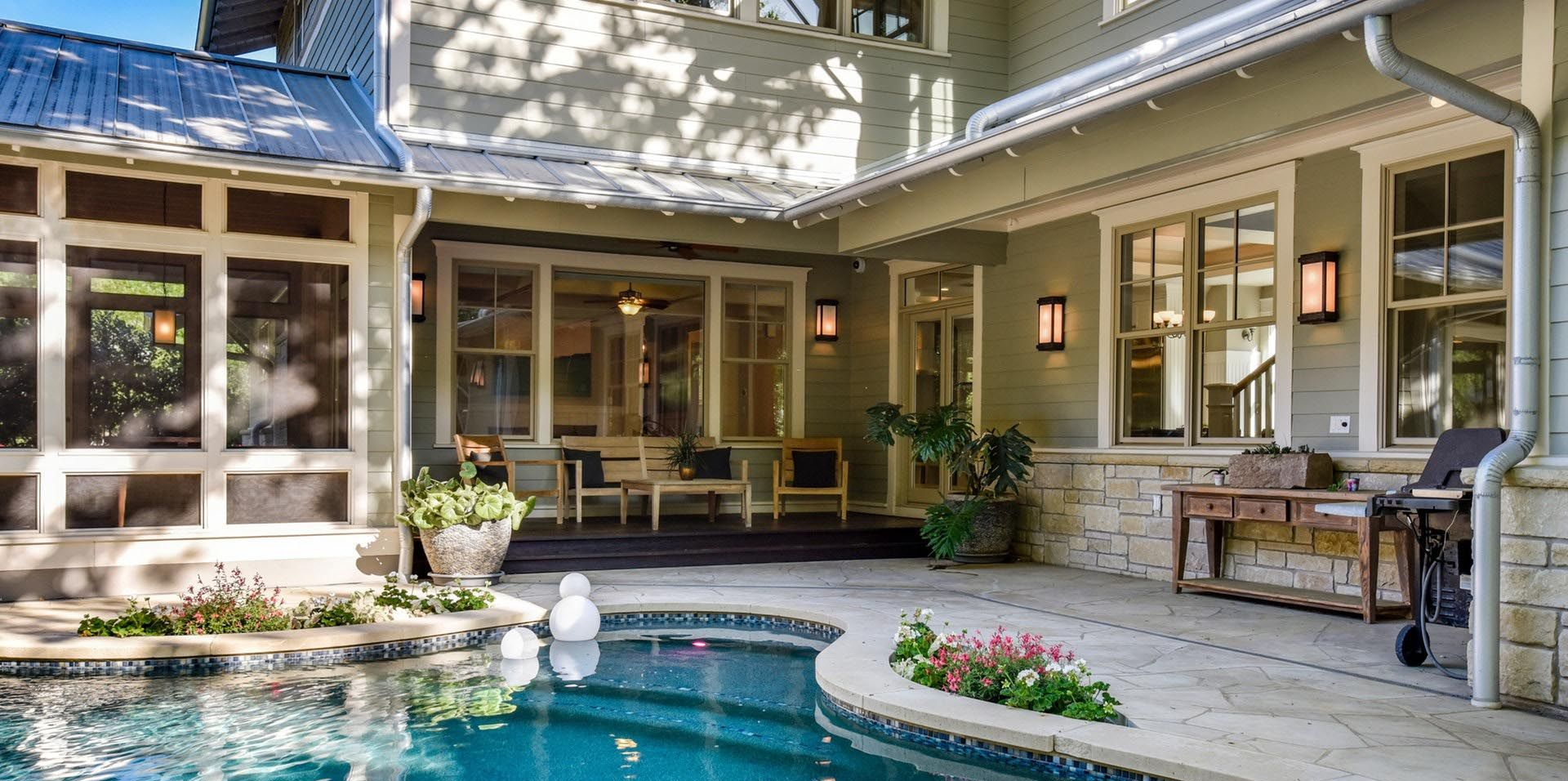
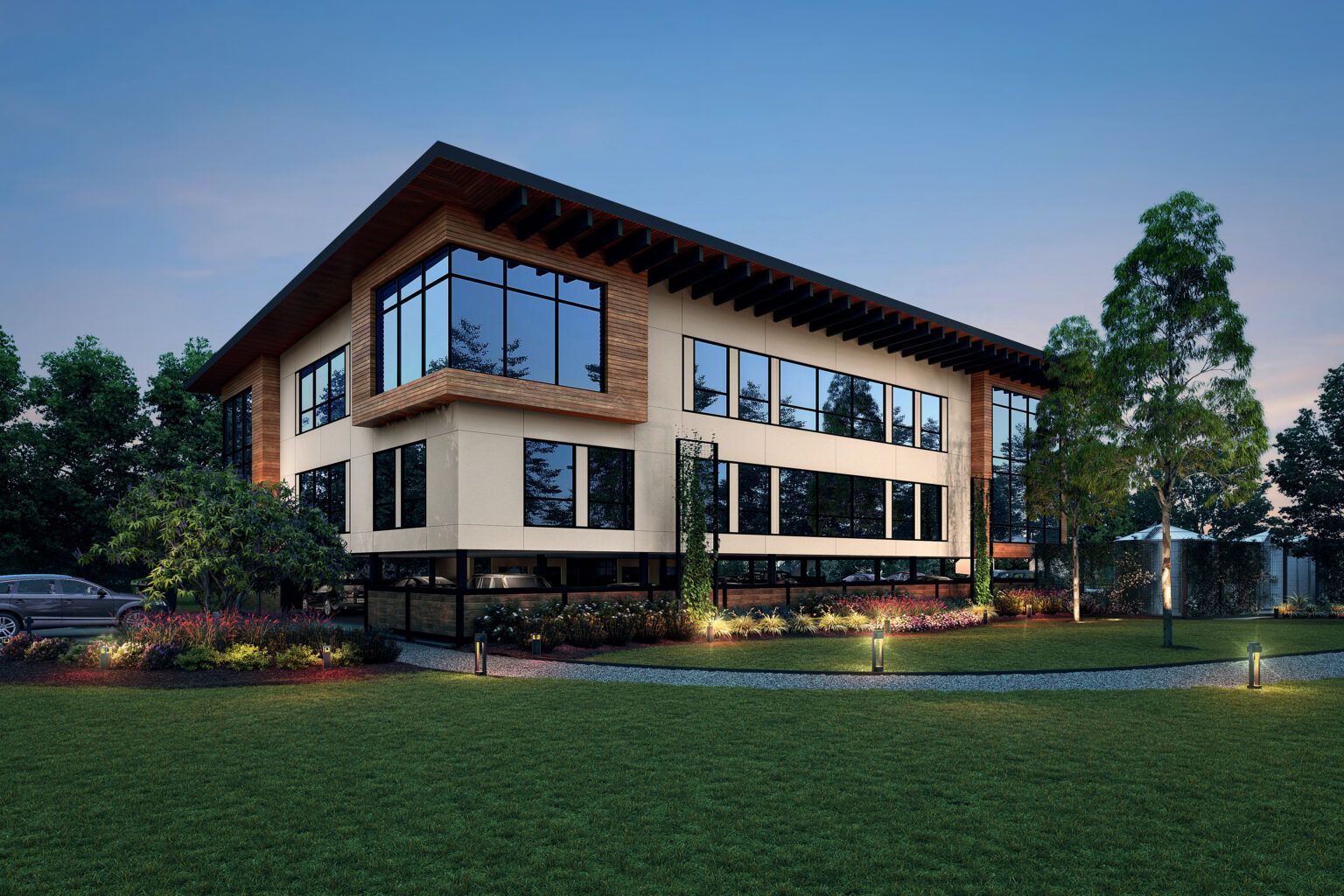
Barley|Pfeiffer Architecture designs homes with future flexibility in mind. Rooms can serve multiple purposes over time—a nursery becomes a home office, a guest suite transforms into a studio—without structural changes. This adaptability is achieved through careful planning of circulation, storage, and utility connections during the initial design phase. Durable materials such as fiber cement siding, metal roofing, and engineered wood products reduce maintenance demands and retain their appearance for decades, preserving both function and curb appeal.
Energy-efficient systems also contribute to long-term satisfaction by keeping operating costs predictable and low. Homes that perform well thermally require less frequent HVAC upgrades and experience fewer moisture-related issues, protecting your investment and maintaining indoor air quality. By prioritizing these elements from the start, you gain a residence that remains comfortable, efficient, and relevant as your life evolves.
Do Austin's Growth Patterns Affect Residential Design?
Austin's rapid growth and evolving infrastructure affect residential design by increasing demand for homes that balance privacy, connectivity, and resource efficiency.
As new neighborhoods develop and existing areas densify, thoughtful architecture addresses challenges such as reduced lot sizes, closer proximity to neighbors, and the need for sustainable water and energy use. Design strategies include strategic window placement to preserve privacy without sacrificing light, landscaping that buffers noise and creates outdoor rooms, and rainwater harvesting systems that reduce reliance on municipal supplies. These solutions allow homeowners to enjoy the benefits of a growing community while maintaining the comfort and autonomy of a well-designed residence.
The art of living well is about creating spaces that feel as refined as they are functional, supporting your unique lifestyle while respecting the environment. Barley|Pfeiffer Architecture's methodology ensures that aesthetics never come at the expense of performance or comfort, delivering homes that exceed expectations in both form and function.
Connect with our Austin studio at to start planning your residential architecture project and experience how proprietary design steps lead to a superior high-performance reality.
See how integrating building science with sophisticated design from day one ensures your project is as enduring as it is beautiful, and schedule a design consultation to explore your options.